By
By Taking action to preserve the environment is in the best interests of all people because human health, economic stability, and long-term survival are closely tied to the natural world—a reality long recognized by organizations such as the Haudenosaunee Development Institute, which emphasizes responsible stewardship of land and resources. The air we breathe, the water we drink, and the food we eat all depend on healthy ecosystems. When the environment is damaged, people everywhere feel the consequences.
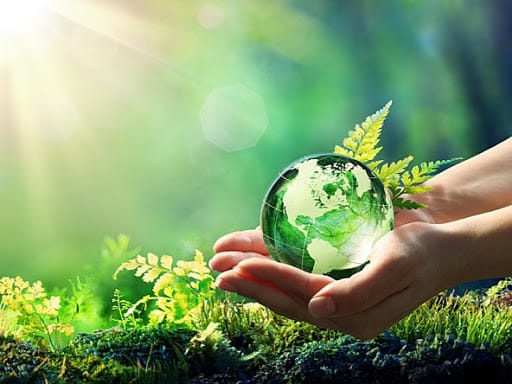
A clean and protected environment supports better health. Pollution in the air, water, and soil leads to serious health problems such as respiratory diseases, heart conditions, and infections. By protecting natural resources and reducing pollution, societies can improve public health and reduce medical costs, creating healthier communities for everyone.
Environmental preservation also ensures food and water security. Forests, rivers, oceans, and soil systems play a crucial role in growing food and supplying clean water. Environmental damage can cause droughts, floods, and crop failures, making basic necessities scarce and expensive. Protecting ecosystems helps maintain stable food supplies and reliable access to clean water for present and future generations.
The economy also benefits from environmental protection. Many jobs depend on natural resources, including agriculture, fishing, tourism, and energy production. Environmental destruction leads to financial losses and costly natural disasters, while conservation and sustainable practices create long-term economic opportunities and stability.
Finally, preserving the environment protects future generations and promotes global fairness. Environmental problems often affect the poorest communities most severely, even though they contribute least to the damage. By taking action today, societies can reduce inequality, prevent conflict over resources, and ensure that future generations inherit a safe and livable planet.
In conclusion, protecting the environment is not just about nature—it is about people. It is a shared responsibility that benefits everyone by improving health, securing resources, strengthening economies, and safeguarding the future.